

Tracking Episode Data: Episode Coding Much of student behavior is captured by the tolerance, engagement and participation data. Related: Intensity of Behavior …

Monitoring Student Engagement, Tolerance and Program Participation (BBTIPC)
Monitoring Student Engagement, Tolerance and Program Participation (BBTIPC) It is common, at the end of the school day, for the teacher to write a note home to …
Continue Reading about Monitoring Student Engagement, Tolerance and Program Participation (BBTIPC) →

Soft Skills for School and Life
Social Emotional Learning: Soft Skills for School and Life Soft skills are a combination of social skills, work habits, communication skills, character traits, and …

The Green Zone – A Recognition-Based Program
Check charts are probably the most familiar behavior management tool to school staff and parents. In response to disruptive behavior, poor work habits, lack of …
Continue Reading about The Green Zone – A Recognition-Based Program →

Circumstances in the Classroom That Can Adversely Affect Children Who Have Been Impacted by Trauma
Children who have been impacted by trauma have brains and bodies that are primed to react quickly —to feel threatened—even in experiences that appear benign. New …

Circumstances or Events That Can Cause Children to Develop a Trauma Response
Nearly 50% of all children have experienced one or more of these circumstances or events, and many have experienced them in chronic, unrelenting fashion. Not every …

The Impact of Childhood Complex Trauma on School Functioning
This article details the physiological, emotional, psychological, and cognitive impacts of complex trauma such as: Unregulated Stress Response System; Impaired …
Continue Reading about The Impact of Childhood Complex Trauma on School Functioning →

Supporting Trauma-impacted Students in School
This set of guidelines is organized into two major sections. The first section is a listing of dozens of supportive approaches. Following this list is a more thorough …
Continue Reading about Supporting Trauma-impacted Students in School →

Safe Room Protocol and Guidelines
The safe room is the last stage of de-escalation, and only implemented because the student cannot be kept safe by a less restrictive means. It is only used, then, when …
Distress Tolerance – Guide to Materials
Many students have trouble tolerating frustration and managing stress. They react in extreme ways to what others might consider minor or typical challenges. For these …
Continue Reading about Distress Tolerance – Guide to Materials →

Think Time Protocol and Guidelines
Think time is a form of time out, where the primary objective is to have students engage in a self-control exercise while experiencing a "no reward condition" for a …
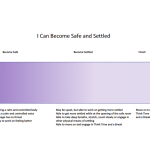
Safe Room Progress
A chart for students: I Can Become Safe and Settled Please see other safe room articles here. direct link: Safe Room Progress …